


 Europe / English
 MEA / English
 Latin America / Español
 APAC / English
 US / English
Maintenance is one of those things you either do or don’t do. There isn’t a good way to fall “in between” on the maintenance spectrum, nor do your vehicles like to be in a state of disrepair. Life is short, so why waste time due to improper maintenance?
We know it’s sometimes tempting to follow the principle of “least maintenance possible”, but eventually your vehicle will hit tipping point of failure and you are left wandering “Hey, what the heck happened?”
We know what happened – your car needs attention and some well-deserved TLC.
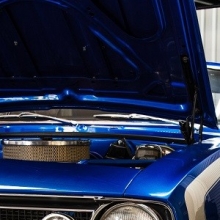
Reactive
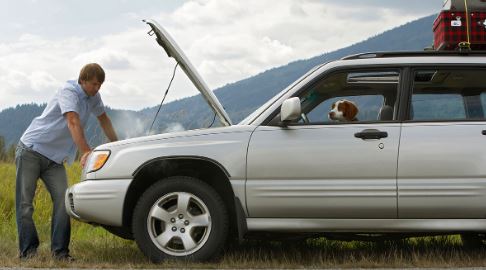
You drive your vehicles and run your equipment to the point of failure and fix things as they break. Many casual motorists can be lumped into this category. It may cost you less up front, but will certainly cost you more time and money down the road. This is a POOR maintenance strategy.
Preventative
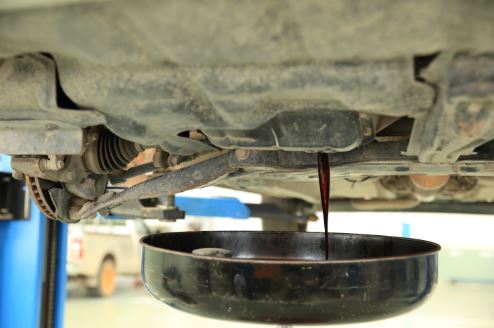
more than just 3,000-mile (4828-kilometre) oil changes.
You invest just enough time in maintenance to prevent major breakdowns, typically by following the schedule printed in your owner’s manual. While this will maintain your manufacturer’s warranty, and is preferable to reactive maintenance, it is only a FAIR maintenance strategy.
Predictive

to help predict equipment failures
before they cause a crash.
You periodically inspect, service and clean your vehicles and equipment to maintain an understanding of their exact condition and to identify problems as soon as they happen. By understanding your equipment and keeping an eye on things you are executing a GOOD maintenance strategy.
Proactive
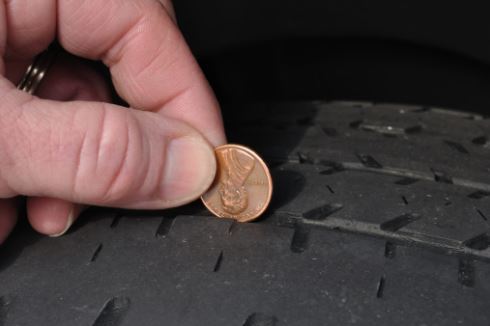
time to proactively replace the tyres.
You attempt to predict when things will fail based on the anticipated service life of each component, measured via historical data, mileage, operating conditions and other factors, then you proactively replace parts to prevent problems before they happen. You maintain expert-level knowledge of your equipment and have an EXCELLENT maintenance strategy.
Condition Monitoring
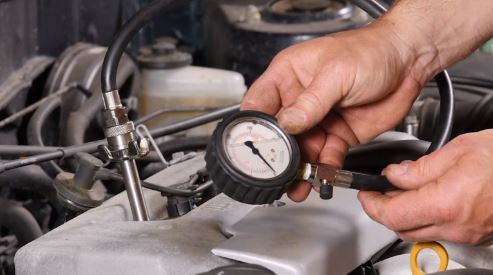
to monitor engine condition.
This is the pinnacle of vehicle maintenance and is practised by a select few. In addition to proactive maintenance, it also entails monitoring the condition of your machinery while in operation. For example, performing oil analysis before or during the regular drain interval to identify hidden wear on the engine internals. Or installing aftermarket temperature or pressure gauges, to maintain a better understanding of any potential failure points while under load.
While this level of concern can be extremely costly up front, if you operate heavy-duty equipment or race professionally, condition monitoring is already second nature, and you have earned the ultimate rating of OPTIMUM maintenance strategy, because failure is not an option.
How Do You Measure Up?
Most people are not gearheads or enthusiasts. Due to a lack of training or awareness, they will fall somewhere between reactive and predictive. However, waiting for something to break will generate additional costs when calculating downtime in addition to the potential expense of replacing major parts, like your engine or transmission.
It takes more time and money up front to become maintenance proactive or to perform strategic condition monitoring. It’s aspirational, and not easy to reach these levels of maintenance excellence. Often, only large companies with millions of dollars invested in vehicles and equipment rise to the top level, because time is money and every second counts.
Start by setting a goal to up your maintenance game. Get in your garage, pop the hood on your car, crawl around underneath and give it a good inspection. Dig the owner’s manual out of the glove box and read it. Pay special attention to the Maintenance Schedule, it’s printed in every manual for a reason. You might be shocked at all the scheduled maintenance you’ve missed.
The perfect time to perform proactive maintenance on seasonal equipment and recreational machinery is in both the fall and spring, when you take it out and put it away.
Aim to learn more about your machines so you can bump up a maintenance category or two and treat your investments with a bit more love. A small additional effort applied to more proactive maintenance will pay huge dividends down the road in the form of time and money saved, as well as enhanced residual value and personal peace of mind.