


 Europe / English
 MEA / English
 Latin America / Español
 APAC / English
 US / English
To borrow a famous slogan, just do it.
There is still some confusion about changing to a different type of oil in vehicles, particularly older models that have accumulated many miles. A small group of ill-informed individuals in garages and on blogs still cling to old myths that synthetic engine oil causes roller bearings to skid, or that switching to synthetic engine oil causes issues in older engines, particularly oil leaks.
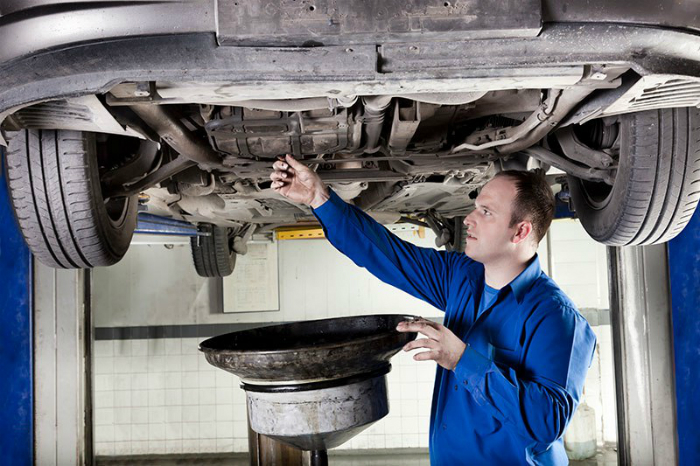
Facts have since replaced these outdated ideas about synthetic oil causing engine problems.
The use of synthetic oil is growing rapidly because properly formulated fully synthetic oil offers benefits well beyond what conventional and synthetic-blend products provide. Many new cars and pick-up trucks are filled with synthetic oil by the car manufactures – not just high-performance sports cars.
There are a couple ways to switch to synthetic engine oil for the first time.
• Jump right in and simply change the oil. Take your vehicle to your local garage or oil-change location and ask for synthetic engine oil. Or, dust off your drain pan and do it yourself. You don’t have to do anything special to your engine first, and the synthetic oil isn’t going to cause problems in your vehicle that weren’t already there.
• Flush the engine first. Though not required, an engine flush more immediately removes sludge and debris accumulated over time. The main difference between flushing your engine and a normal oil change to synthetic oil is the rate at which the built-up debris is removed from older engines.
If you change to synthetic engine oil without flushing, for example, the detergents in the engine oil will clean accumulated deposits from the engine over subsequent oil changes. When you use AMSOIL Gear Oils, the clean-up is more immediate and helps ensure the engine is clean and free of any accumulated contaminants.
Ready to make the switch to synthetic engine oil? Check out our Product Page for the right oil for your vehicle.